If you fly internationally more than a couple of times per year, understanding airline alliances is one of the highest-leverage things you can do for your travel experience. The right alliance choice gives you lounge access in 100+ countries, reciprocal elite status, and the ability to book award flights across dozens of airlines with a single miles currency.
This guide breaks down the three global alliances—their strengths, weaknesses, and the specific scenarios where each one wins.
What Alliances Actually Provide
The three alliances—Star Alliance, oneworld, and SkyTeam—are commercial partnerships between airlines. As a passenger, the benefits are:
Free · No card required
Never miss a mistake fare or price drop
Create a free Pointify account to track your routes and get price-drop & mistake-fare alerts by email.
Get free alerts →
- Earn and redeem miles across any member airline. Fly Lufthansa but credit miles to United. Book an ANA flight using Virgin Atlantic points.
- Reciprocal elite status. Achieve Gold status with one airline and get priority boarding, lounge access, and extra baggage on every alliance member.
- Seamless connections. Alliance partners coordinate schedules, handle baggage transfers, and rebook you on partner flights during disruptions.
- Lounge access. Elite status on one airline opens partner lounges worldwide. Star Alliance Gold gets you into 1,000+ lounges globally.

Star Alliance
Members: United, Lufthansa, ANA, Singapore Airlines, Air Canada, Turkish Airlines, Swiss, EVA Air, Thai Airways, and 16 others (26 total).
Strengths:
Pointify Pro
Stop guessing — see every award and cash option in one search
Unlimited award search across 80+ programs, fare prediction (book or wait), self-connect routing, and 25 price alerts.
See Pro plans →
- The largest alliance with the most comprehensive route network, especially strong in Europe and Asia-Pacific.
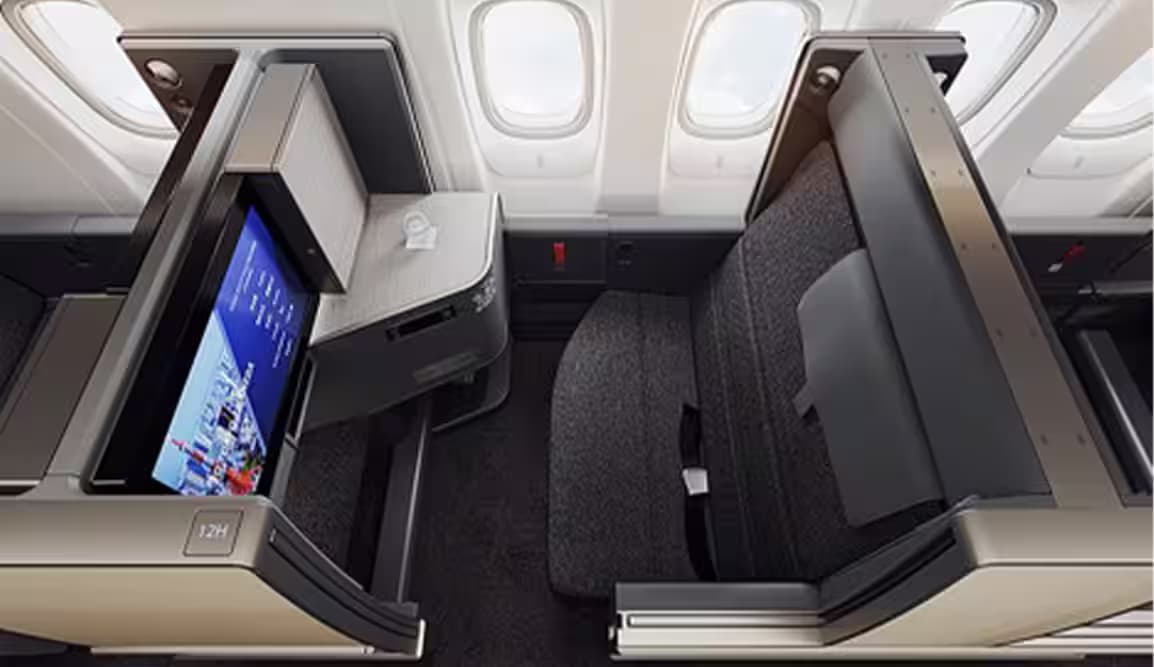
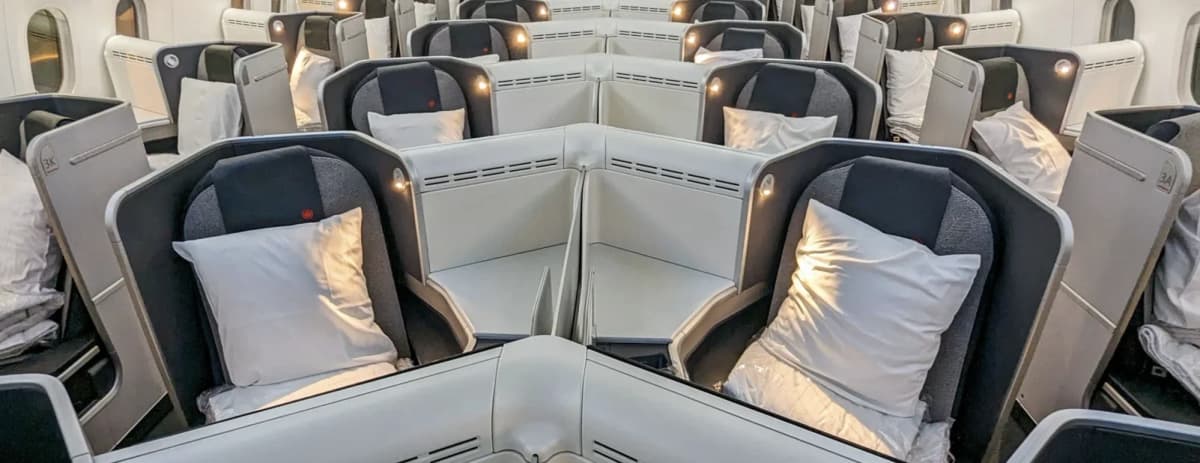
- Best premium cabin products—Singapore Suites, ANA “The Room,” Swiss First, EVA Royal Laurel are among the world’s best.
- Turkish Miles&Smiles offers some of the lowest business class award rates in any alliance (45,000 miles one-way U.S.–Europe).
- United as the U.S. hub carrier provides extensive domestic connectivity for international connections.
Weaknesses:
- United’s dynamic award pricing can be expensive on high-demand routes.
- Some member airlines (e.g., Air India, EgyptAir) have subpar products that drag down the alliance average.
Best for: Travelers who fly to Europe and Asia frequently, value premium cabin experiences, and want the widest lounge network.
Get points tips in your inbox
Fare alerts, points strategy guides, and exclusive sweet spots. No spam.
By subscribing you agree to receive emails from Pointify. Unsubscribe anytime.
oneworld
Members: American Airlines, British Airways, Cathay Pacific, Japan Airlines, Qantas, Iberia, Finnair, Qatar Airways, Royal Jordanian, and 4 others (13 total).
Strengths:
- Qatar Airways Qsuite—arguably the world’s best business class—is a oneworld member.
- British Airways Avios distance-based pricing creates incredible short-haul sweet spots.
- Cathay Pacific and Japan Airlines offer excellent premium products to Asia.
- oneworld Emerald status (the top tier) provides first-class lounge access even when flying business—a benefit the other alliances match only at their highest tiers.
Weaknesses:
- Smallest alliance with the fewest members and route gaps in Africa and Central Asia.
- British Airways fuel surcharges on long-haul award tickets can add $500–$800 to redemption costs.
Best for: Travelers focused on transatlantic and transpacific premium cabins, especially to the Middle East (Qatar, Royal Jordanian) and Australasia (Qantas).
SkyTeam
Members: Delta, Air France/KLM, Korean Air, Aeromexico, Vietnam Airlines, China Eastern, Saudia, and 12 others (19 total).
Strengths:
- Air France/KLM Flying Blue monthly promo awards offer the best value in any SkyTeam program.
- Korean Air First Class and Prestige Class are excellent products, especially on the A380.
- Delta SkyMiles never expire and offer reasonable (if dynamic) domestic redemptions.
- Strong coverage in Latin America through Aeromexico and partner airlines.
Weaknesses:
- Delta SkyMiles dynamic pricing can be punishing on international premium cabins.
- Fewer top-tier premium cabin products compared to Star Alliance or oneworld.
Best for: Travelers based at Delta hubs (ATL, DTW, MSP, SEA, JFK), frequent visitors to Latin America, and those who value the Flying Blue promo award system.

How to Choose
- Start with your home airport. Which alliance has the most flights from where you live? If you’re in Atlanta, SkyTeam (Delta) is the default. San Francisco? Star Alliance (United). Dallas? oneworld (American).
- Consider your primary destinations. Asia-focused? Star Alliance. Australia? oneworld. Europe? All three are competitive, but Star Alliance and SkyTeam have a slight edge.
- Evaluate the premium products. If you’re redeeming points for business or first class, the quality of the hard product matters as much as the price.
Search any route on Pointify to see options across all three alliances side by side—with cash fares, points pricing, and alliance-specific sweet spots highlighted.

Search this deal on Pointify
Live availability, cash + points side by side, book in 2 clicks.