Ready to find your best fare?
Join travel professionals who never overpay for flights. Free account in 30 seconds.
Create Free AccountJoin travel professionals who never overpay for flights. Free account in 30 seconds.
Create Free Account142 articles to help you travel smarter.

The 5/24 rule is one of the most misunderstood gatekeepers in the points hobby. Here is what it actually counts, why it exists, how to check your own number, and how to sequence new cards so you never get blindsided by a denial.
Every year your premium cards quietly renew and charge a fee. Here is a simple five-minute audit to decide whether each one still earns its keep, plus the underrated middle option most people forget: the product change.

Premium travel cards quietly bundle real protections most cardholders never use — trip delay, lost baggage, rental car collision, no foreign fees. Here is what they commonly cover and how to actually file a claim.
When the renewal fee hits, "keep it because the points are good" is not an answer. Here is the framework for deciding whether a card earns its fee, downgrades, or gets cancelled — without torching your credit.

Cómo elegir entre Club Premier, las tarjetas Amex y los bancos mexicanos para volar pagando con puntos en lugar de efectivo.

Flying Blue, les cartes Amex France et les banques : comment accumuler des miles et payer vos billets en points plutôt qu’en euros.

Miles & More, die Amex-Karten und PAYBACK: So sammeln Sie Meilen und zahlen Flüge mit Punkten statt mit Euro.

ANAマイレージクラブとJALマイレージバンクという二大プログラムを軸に、JCB・楽天カード・アメックスなどをどう使い分けるか。アライアンスの仕組み、上級会員とラウンジ、海外手数料、そして現金とマイルの賢い比較まで、初心者向けにやさしく解説します。

How British Airways Executive Club, Virgin Atlantic Flying Club, and transferable Amex points fit together for UK travellers who want award flights.

Air Canada Aeroplan anchors the Canadian market, and here is how transferable Amex points plus TD, CIBC, RBC and Scotia cards feed it.

Qantas Frequent Flyer and Virgin Australia Velocity lead the market, and here is how transferable Amex points plus bank cards feed each.

How Air India Flying Returns, Singapore KrisFlyer, and India's premium HDFC, Axis and ICICI bank cards work together for travellers.
Singapore Airlines KrisFlyer anchors the market, and here is how DBS, UOB, OCBC, Citi and Amex miles cards feed it for Changi flyers.

A practical, evergreen guide to how the two flagship Gulf programs and transferable bank points work for travellers based in the UAE.

A practical, evergreen guide to the three Brazilian airline programs and the transferable points currencies that quietly feed all of them.

A practical, evergreen guide to how Vietnam Airlines Lotusmiles and global partner currencies work for travellers based in Vietnam.

A practical, evergreen guide to the main Chinese airline programs and the partner currencies worth holding for premium-cabin trips.
A practical, evergreen guide to how travellers in Bangladesh use Biman Loyalty Club and partner currencies for international trips.
A practical, evergreen guide to why Asia Miles anchors Hong Kong and how local cards feed it for premium-cabin redemptions.
A practical, evergreen guide to how KLM Flying Blue and transferable Amex points work for travellers based in the Netherlands.

A practical, evergreen guide to why Miles&Smiles is one of the strongest Star Alliance currencies and how to build it from Türkiye.

A practical, evergreen guide to how Korean Air SKYPASS and Asiana Club anchor Korea and how local cards feed both programs.
A practical, evergreen guide to how SWISS Miles & More anchors Switzerland for Star Alliance premium-cabin redemptions.

A practical, evergreen guide to how Air New Zealand Airpoints and partner currencies work for travellers based in New Zealand.
May 2026 has 4 airline cards offering welcome bonuses at or above their all-time highs. Here is which card pays out the most after factoring in spend requirements + first-year fees.

Annual Marriott Bonvoy free-night certificates expire faster than most cardholders use them. Here are the highest-cents-per-point redemptions for each tier this month.

Chase 5/24 has been the single most-discussed credit card application rule for a decade. Here is what it actually is, how it interacts with your other cards, and the practical 2026 strategy.

Bilt is the only no-fee transferable-points card that earns directly on rent. Plastiq charges a 2.85% fee but works with any card. Is paying rent on a points card worth it? Here is the 2026 math.
The best international travel card depends on three factors: zero foreign transaction fees, lounge access, and transfer-partner depth. Here is the 2026 picture for Amex Platinum, Sapphire Reserve, Venture X, and the dark horses.

The Amex Platinum had a controversial fee bump and benefit revamp. Here is the practical 2026 math: which credits are usable, which are theater, and whether the card still pays for itself.

Chase Sapphire Reserve has been the points-traveler benchmark since 2016. The 2024 revamp added Sapphire Lounges and changed the travel credit. Is it still the best $550 card in 2026?

Most "student credit cards" earn flat cash-back. The right strategy is to start with a no-fee transferable-points card, build credit history, and graduate to premium cards by year 2-3 of college.
AAdvantage co-brand cards come from Citi (premium) and Barclays (mid-tier). The card to apply for depends on what you fly and which other points stack you anchor on. Here is the 2026 picture.
World of Hyatt at $95/year is one of the most-used hotel cards in points travel. Free anniversary night up to 30,000 points + Discoverist status auto + 4x Hyatt earn. Is it worth it in 2026?

Delta SkyMiles co-brand cards come from Amex in three premium tiers. With Delta's dynamic award pricing, the value of these cards is in benefits (Sky Club, MQM boost, free checked bags) more than miles earned.

Amex Gold sits at $325/year in 2026. The 4x dining + groceries earn rate is still class-leading, but the credit menu has gotten more complex. Is it still the strongest dining/grocery card?
Amex Hilton Aspire is the only credit card that auto-grants Diamond status. With $550 fee + $400 resort + $200 airline + $200 flight + $100 property + $189 CLEAR credits, the card pays for itself for most travelers.
Chase IHG One Rewards Premier at $99/year delivers a 4th-night-free benefit on award stays plus Platinum Elite status. For mid-tier hotel travelers, this is one of the highest-leverage cards under $100.

Amex Business Platinum mirrors the personal card on travel benefits but adds business-specific perks: 1.5x earn on $5,000+ purchases, 35% rebate when paying with points for flights, and broader business credits.

Chase Ink Business Preferred ($95) earns 3x on broad business categories. Ink Business Cash ($0) earns 5x on $25k of office supplies + telecom. Ink Business Unlimited ($0) earns 1.5x flat. Here is when each makes sense.
Many travelers assume their premium credit card covers trip cancellation and delays. The reality: coverage varies dramatically. Here is the 2026 picture across Amex, Chase, Capital One, and Citi cards.

Most premium credit cards include rental car CDW (Collision Damage Waiver), but only some are "primary" — meaning they pay first instead of your personal auto insurance. Here is the 2026 picture.
Chase BA Visa Signature at $95 offers Travel Together Companion ticket after $30k spend. For BA-anchored travelers, this single benefit can fund a $5,000+ companion business class trip.

Southwest Companion Pass is the highest-leverage points benefit in domestic US travel — fly anywhere on Southwest with a free companion for the rest of the year and all of next. Earn it via 2 Chase Southwest credit cards.

Bank of America Alaska Visa offers an annual companion fare from $99 + taxes — one of the highest-leverage benefits in US airline cards. Combined with Alaska Mileage Plan's Cathay First sweet spot, this is a strong card.

Chase United Club Infinite at $695 includes United Club access for cardholder + companions, free first + second checked bag, Premier qualifying spend, and 4x on United purchases. Is the fee justified for regular United flyers?

Amex Marriott Bonvoy Brilliant at $650 grants auto-Platinum status with 15 elite night credits + free 85,000-point annual night. For travelers who use the credits, this card produces \$1,200+ in annual value.
Chase World of Hyatt Business at $199 offers a free annual night up to 75,000 points + 4x Hyatt earning + Discoverist status. For small-business owners with Hyatt-anchored travel, this is one of the strongest hotel business cards.

Chase Iberia Plus Visa Signature at $95/year offers Iberia Plus Avios, free first checked bag, and 3x Iberia earning. For travelers who book Iberia metal trans-Atlantic, the lower YQ pass-through is the key advantage.

The Amex Trifecta is the points-traveler's shorthand for holding Amex Platinum + Gold + Green simultaneously. Combined fees: \$1,170. Combined annual benefit value: \$2,000+. Here is the 2026 case for the stack.

The Chase Trifecta combines Sapphire Reserve's 1.5\u00a2/point Chase Travel value + Freedom Unlimited's 1.5x flat earn + Freedom Flex's 5x rotating categories — all earning Chase Ultimate Rewards. Here is the 2026 case.
The Capital One Duo combines Venture X (\$395) + Venture (\$95) for $490 total in fees. Combined: 2x flat earn on everything + premium card benefits. The simplest premium stack in points travel.
Amex Business Gold dynamically rewards 4x on the top 2 of 6 eligible business categories each month. For small businesses with concentrated spending, this card produces meaningful earning beyond standard business cards.
Amex Hilton Honors Business at $195/year offers 12x at Hilton + 6x on dining/gas/shipping/social media + free annual night after $15k spend. The cheapest path to Hilton Gold + meaningful elite-night credits.
Freedom Flex earns 5x on rotating quarterly categories ($1,500/quarter cap). Freedom Unlimited earns flat 1.5x on everything. Which no-fee Chase card produces more value for the typical user?

ANA U.S. Mileage Club credit cards are issued by First National Bank. The cards offer modest direct ANA mile earning, but the real value is access to ANA's Round-the-World Award chart at 200,000-280,000 miles for business class.

Foreign transaction fees of 3% on every purchase abroad add up to $300+ on a $10,000 international trip. Most premium credit cards waive this fee. Here is the 2026 list and the no-fee budget options.
Groceries are most households' second-largest spending category after housing. The Amex Gold's 4x at US supermarkets ($25k cap) is class-leading. Here is the 2026 grocery-card landscape.

Most US households spend $1,000-$3,000+/year at Amazon. The Amazon Prime Visa offers 5% back; Chase Freedom Flex periodically gives 5x on Amazon. Here is the 2026 picture for maximizing Amazon points earning.
Most travelers spend $500-$2,000+/year on ride-share. Amex Platinum offers $200 in Uber Cash; Amex Green earns 3x on ride-shares. Capital One SavorOne earns 3% on entertainment + dining (which often includes ride-shares).
Most US households spend $80-$200/month on streaming subscriptions. Premium credit cards offer up to $20/month in streaming credits. Here is the 2026 picture for maximizing streaming card value.

Most utility companies charge a 2-3% convenience fee for credit card payments. Some cards waive this via category bonuses. Chase Ink Business Preferred earns 3x on internet/cable/phone with no fee.

Both BA and Southwest offer "companion" benefits. BA Travel Together Companion saves 145k Avios on a 2-passenger long-haul redemption. Southwest Companion Pass gives unlimited free companion travel for 18-24 months. Which is more valuable?
Three top-tier premium travel cards compete for the same anchor slot. At \$395 (Venture X), \$550 (Sapphire Reserve), and \$895 (Amex Platinum), each pitches a different value proposition. Here is the 2026 head-to-head.
Credit utilization is the #2 factor in your FICO score after payment history. Most points travelers carry $50-$100k in available credit. Here is how to manage utilization to keep your score 750+ while maximizing card opens.
Discover It cards offer a unique Cashback Match in year 1: every cash back dollar earned in the first year is matched at the end. For new Discover cardholders, this is one of the highest-leverage no-fee benefits.
When a credit card's annual fee no longer makes sense, you have two options: product change (downgrade to a lower-fee card from same issuer) or cancel. Each has different implications for credit score and rewards. Here is the 2026 framework.

Amex EveryDay Preferred at $95/year offers 4.5x at US supermarkets when you make 30 purchases per cycle. The no-fee EveryDay version offers 2x at supermarkets. Both transfer 1:1 to MR partners.

Most US households spend $3,000-$8,000+/year online. Specialized credit cards offer 5-10% cash back at major retailers. Here is the 2026 guide for maximizing online shopping rewards.
Amex Business Platinum at $895/year mirrors personal Platinum lounge + transfer-partner benefits but adds 1.5x earning on $5,000+ purchases (uncapped) and 35% pay-with-points rebate. Here is the head-to-head.

Three no-fee cards offer rotating-category 5% earning. Chase Freedom Flex (paired with Sapphire) produces transferable points worth 2-4¢. Discover It year 1 doubles via Cashback Match. Citi Custom Cash auto-detects.
For HSA/FSA-eligible medical expenses, paying via HSA/FSA debit card produces pre-tax savings (10-30%) that almost always exceed credit card rewards (2-5%). For non-eligible medical spending, U.S. Bank Cash+ Medical Services 5% is the cleanest path.

Sign-up bonuses are the highest-leverage way to earn points. A typical 60,000-100,000+ point sign-up bonus equals 6-12 months of normal earning. Here is the 2026 framework for hitting bonus thresholds and optimizing the timing.

Cell phone protection is one of the most-valuable credit card benefits — a single replacement claim can save \$500-\$1,500 vs cash. Most premium cards include some coverage. Here is the 2026 picture.
Three premium co-brand cards compete at $550-$895: Amex Hilton Aspire ($550, auto-Diamond), Amex Marriott Brilliant ($650, free 85k night), United Club Infinite ($895, lounge access). Which is the best value?
Self-employed travelers can apply for business credit cards even with a sole proprietor structure. Chase Ink Business cards alone produce 250,000-450,000 UR/year on focused business spending. Here is the 2026 framework.
Rideshare drivers spend $30,000-$50,000+ annually on gas. The right card on gas spending earns 30,000-100,000 points/year. Here is the 2026 framework for maximizing rideshare driver earning.

Doctors and healthcare professionals spend $50,000-$200,000+ annually on a mix of personal and practice expenses. The right card stack produces 500,000-1.5M+ points per year. Here is the 2026 framework.
Real estate professionals spend $20,000-$60,000+ annually on advertising, listings, photography, and client lunches. The right card stack converts this spending to 200,000-600,000 points/year. Here is the 2026 framework.
Startup founders spend $50,000-$500,000+ annually on cloud services, payroll, marketing, and operations. The right card stack converts this to 1M-5M+ points per year. Here is the 2026 framework.

Teachers spend $500-$1,500/year on classroom supplies (often unreimbursed) and benefit from summer-season travel windows. The right card stack covers school spending + summer redemption optimization.
College students benefit from no-fee starter cards while building credit history. Discover It Student, Capital One Quicksilver Student, and Chase Freedom Unlimited are the strongest paths. Plan to graduate to Sapphire Preferred by junior year.

Couples can double their points earning by both holding key cards or strategically adding authorized users. The right configuration produces 1M+ points/year for the couple. Here is the 2026 framework.

Retirees often spend $30,000-$80,000+ annually on travel, dining, and personal expenses. The right card stack covers most categories without business cards. Sapphire Preferred + Amex Gold is the cleanest 2-card setup.
Business travelers spend $30,000-$100,000+ annually on travel-related expenses (flights, hotels, dining, transport). The right card stack converts this to 500,000-1.5M+ points per year. Here is the 2026 framework.
For travelers who don't want to track transferable points + airline partners, cash back cards offer simpler value. The best 2026 picks: Citi Double Cash (2%), Wells Fargo Active Cash (2%), Capital One Savor (3-4%).
Premium fee cards range from \$95 (Sapphire Preferred, Strata Premier) to \$895 (Amex Platinum, United Club Infinite). The right fee tier depends on travel volume + benefit usage. Here is the 2026 framework.

Two top premium travel cards. Amex Platinum at $895 has Centurion + 18 transfer partners. Sapphire Reserve at $550 has Hyatt + Sapphire Lounges + trip insurance. Which to anchor on first?
Amex and Chase are the two most-important credit card issuers for points travelers. Amex has the deepest international transfer partners. Chase has Hyatt + United + Southwest exclusivity. Most travelers anchor on both.
No-fee cards range from cash-back simplicity (Wells Fargo Active Cash 2%) to transferable-points anchors (Bilt Mastercard with 17 partners). The right no-fee card depends on whether you want points or cash. Here is the 2026 framework.
Amex business cards range from \$95 (Business Green) to \$895 (Business Platinum). Each targets different business spending patterns. Here is the 2026 framework for which Amex business card fits which business profile.
Most US households spend $5,000-$10,000+ on dining annually. The right card produces 100,000-200,000+ points/year on dining alone. Amex Gold (4x) leads for transferable points. Capital One Savor (4%) leads for cash back.
Most US households spend $4,000-$10,000+ on groceries annually. Amex Gold at 4x produces transferable points; Blue Cash Preferred at 6% produces cash back. Here is the 2026 framework for the strongest grocery cards.

Amex offers 3 Marriott Bonvoy co-brand cards: Brilliant ($650), Bevy ($250), and Business ($95). Each targets different traveler profiles. Here is the 2026 framework for which Amex Marriott card fits which traveler.
Amex Platinum at $895 leads on lounge access + 5x flights + transfer partners. Amex Gold at $325 leads on dining + groceries earning. Most points travelers eventually hold both.
Amex MR has 18+ international transfer partners. Citi ThankYou has uniquely AAdvantage access. For different traveler profiles, the right anchor differs.

Chase has Hyatt + United + Southwest exclusivity (uniquely Chase). Citi has AAdvantage access (uniquely Citi). For different points travelers, the right primary anchor differs.
Most travelers spend $500-$2,000+/year on Uber. Amex Platinum offers $200 Uber Cash; Amex Gold offers $120. Combined with 3x earning on Amex Green, the Uber-focused strategy produces $400+/year in benefits.
For international travelers, the 3 must-haves: 0% foreign transaction fees on every card, lounge access for transit, and transfer partner depth. The optimal stack: Amex Platinum + Sapphire Reserve + Bilt Mastercard.

Airline co-brand cards range from $0 (United Gateway) to $895 (Amex Platinum + United Club Infinite). The right card depends on which airline you fly. Here is the 2026 comprehensive comparison across all major US airlines.

Hotel co-brand cards range from $0 (IHG One Rewards Traveler) to $650 (Marriott Brilliant). The right card depends on which chain you stay at + whether you want auto-elite status. Here is the 2026 comprehensive lineup.
Marriott Brilliant + Bonvoy Business combine for 30 elite night credits (Platinum bridge). Hilton Aspire offers auto-Diamond. The right hotel-card anchor depends on which chain you stay at most + whether you hit elite thresholds.
Most travelers spend $1,000-$5,000+/year on Airbnb. Sapphire Reserve at 3x travel + 10x via Chase Travel + Capital One Venture X 2x flat are the strongest paths. Bilt Mastercard at 2x travel is the no-fee option.
Amex offers parallel personal and business cards (Platinum, Gold). Business sides add unique benefits (Business Platinum 1.5x on $5k+ purchases, 35% pay-with-points rebate). Many sole proprietors qualify for business cards.
How to time the retention call on Amex's $650 Marriott Bonvoy Brilliant — credits to compute, scripts that work, and what's worth keeping.
We analyzed 40+ credit cards to find the best ones for restaurant spending. From 4x points to 5% cashback, here are the top picks for foodies who travel.
Your premium credit card likely includes trip delay, lost luggage, rental car, and medical insurance. We decode what is covered, what is not, and how to file claims.
A strategic approach to credit card applications can earn you 500,000+ points per year. We cover timing, velocity rules, and the optimal application order.
Chase Ultimate Rewards vs Amex Membership Rewards — which flexible-points currency actually wins for everyday spend? We ran the numbers across 2026's transfer partner map.
Chase Ultimate Rewards vs Capital One Miles — which flexible-points currency actually wins for travel transfer sweet spots? We ran the numbers across 2026's transfer partner map.
Amex Membership Rewards vs Citi ThankYou Points — which flexible-points currency actually wins for international airlines? We ran the numbers across 2026's transfer partner map.
Bilt Rewards vs Chase Ultimate Rewards — which flexible-points currency actually wins for rent + transfer partners? We ran the numbers across 2026's transfer partner map.
Capital One Miles vs Citi ThankYou Points — which flexible-points currency actually wins for european redemptions? We ran the numbers across 2026's transfer partner map.
Alaska Mileage Plan vs Aeroplan — which flexible-points currency actually wins for cathay / ana first class? We ran the numbers across 2026's transfer partner map.
United MileagePlus vs Avianca LifeMiles — which flexible-points currency actually wins for star alliance business? We ran the numbers across 2026's transfer partner map.
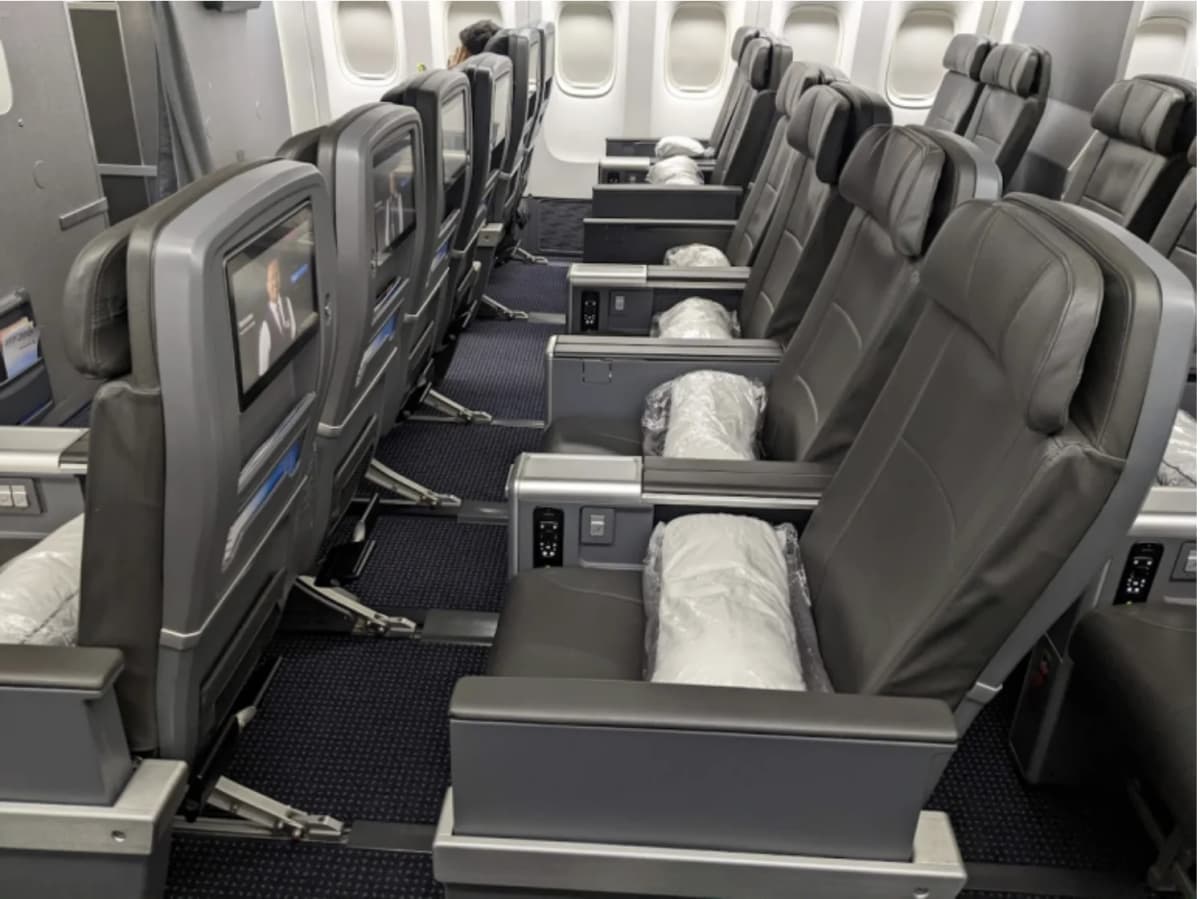
American AAdvantage vs British Airways Avios — which flexible-points currency actually wins for oneworld short + long haul? We ran the numbers across 2026's transfer partner map.

Delta SkyMiles vs Flying Blue — which flexible-points currency actually wins for trans-atlantic business for half the points? We ran the numbers across 2026's transfer partner map.
Hilton Honors vs World of Hyatt — which flexible-points currency actually wins for points per dollar vs redemption value? We ran the numbers across 2026's transfer partner map.
Marriott Bonvoy vs IHG One Rewards — which flexible-points currency actually wins for 5th-night-free vs pointbreaks? We ran the numbers across 2026's transfer partner map.
Hilton Honors vs Marriott Bonvoy — which flexible-points currency actually wins for business-travel elite status? We ran the numbers across 2026's transfer partner map.

World of Hyatt vs IHG One Rewards — which flexible-points currency actually wins for category-mismatch arbitrage? We ran the numbers across 2026's transfer partner map.
Wells Fargo Rewards vs Bilt Rewards — which flexible-points currency actually wins for no-annual-fee transferables? We ran the numbers across 2026's transfer partner map.
Alaska Mileage Plan vs Avianca LifeMiles — which flexible-points currency actually wins for star alliance biz redemption? We ran the numbers across 2026's transfer partner map.
Turkish Miles&Smiles vs United MileagePlus — which flexible-points currency actually wins for trans-atlantic business? We ran the numbers across 2026's transfer partner map.
Iberia Plus vs British Airways Avios — which flexible-points currency actually wins for short-haul europe awards? We ran the numbers across 2026's transfer partner map.
Aeroplan vs United MileagePlus — which flexible-points currency actually wins for star alliance partner awards from the us? We ran the numbers across 2026's transfer partner map.
Virgin Atlantic Flying Club vs Delta SkyMiles — which flexible-points currency actually wins for ana business with virgin vs delta? We ran the numbers across 2026's transfer partner map.
Closing a card can hurt your credit score. Downgrading preserves history while eliminating fees.

Adding authorized users can multiply your points earning. Here is how to do it safely.

Groceries are the biggest recurring expense for most families. These cards earn 3-6x at supermarkets.
Chase rejects applicants with 5+ new cards in 24 months. Plan your application order.
Business cards earn higher multipliers, do not count against 5/24, and offer large sign-up bonuses.
The Venture X has long been the value pick in premium travel cards — a $395 fee that nets close to zero after its credits, with lounge access and 1:1 transfer partners that used to require a $700+ card. But Capital One trimmed lounge guest access in 2026. Here is where it stands now.
The Chase Trifecta pairs two no-annual-fee Freedom cards with a Sapphire to earn bonus points across every category, then pool them and transfer 1:1 to airlines and hotels. Here is how to build it in 2026 and whether it is worth the effort.
Three cards to maximize Membership Rewards earning across every spending category.
Step-by-step guide for beginners: first card, currencies, multi-card system, first award booking.
You do not need $550/year to earn travel rewards. These free cards earn transferable points.
The right hotel card earns 5-10 free nights per year. Best cards for Hyatt, Hilton, Marriott, and IHG.
Whether transferable points or co-branded miles, these cards deliver the highest mile-earning potential.
Both ultra-premium cards were overhauled in the last year — the Amex Platinum to $895, the Sapphire Reserve to $795. The fee gap is small; the real difference is which rewards ecosystem and which credits actually fit your life. Here is the 2026 breakdown.
Both Sapphire cards were overhauled in the last year — the Reserve jumped to $795, and the Preferred kept its $95 fee but added new categories and Points Boost. Here is the honest 2026 breakdown of which one actually fits you.

We analyzed 50+ cards across earn rates, transfer partners, and travel perks.