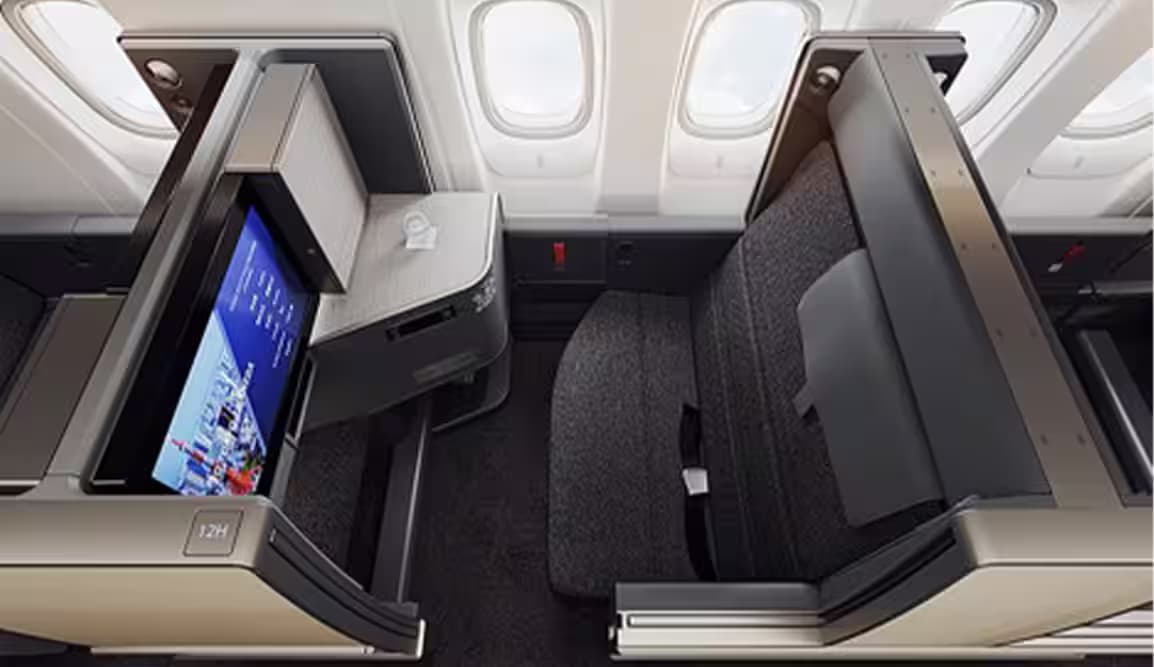
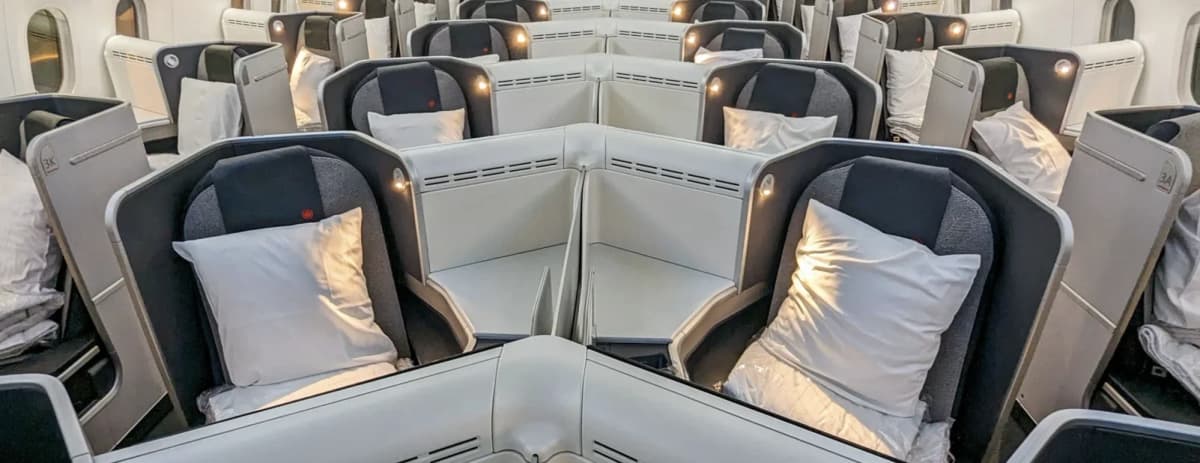
The gap between business class and first class used to be obvious. Business gave you a wider seat that reclined farther. First gave you a flat bed, real food, and actual service. Today, that gap has narrowed to the point where many airlines have eliminated first class entirely.
But the airlines that still offer true first class—Singapore, ANA, Emirates, Lufthansa, Japan Airlines, Cathay Pacific—deliver an experience that business class simply cannot match. The question is whether the premium is worth it, especially when you’re paying with points.
The Case for Business Class
Modern business class on top-tier airlines is genuinely excellent. The key features that matter for long-haul comfort:
Free · No card required
Never miss a mistake fare or price drop
Create a free Pointify account to track your routes and get price-drop & mistake-fare alerts by email.
Get free alerts →
- Lie-flat beds: Every competitive business class product now offers a fully flat bed, usually 6’6’6” or longer. You can actually sleep.
- Direct aisle access: Reverse herringbone and staggered configurations mean you never climb over anyone. This was once a first-class exclusive.
- Quality meals and wine: Multi-course meals with wine pairings from actual sommeliers. Qatar Airways Qsuite, for example, serves restaurant-quality food at 40,000 feet.
- Lounge access: Full-service business class lounges with showers, hot food, and sometimes spa treatments.
The best business class products in 2026: Qatar Airways Qsuite, ANA “The Room,” Cathay Pacific Aria Suite, Singapore Airlines 2018 J, and Japan Airlines Flagship Suite.

The Case for First Class
First class isn’t about the seat—it’s about the experience surrounding it. The genuine differentiators:
Pointify Pro
Stop guessing — see every award and cash option in one search
Unlimited award search across 80+ programs, fare prediction (book or wait), self-connect routing, and 25 price alerts.
See Pro plans →
- Privacy: Enclosed suites with closing doors. Singapore Suites and Emirates first class offer completely private spaces. Business class, even the best versions, is an open cabin.
- Space: First class suites range from 30 to 50 square feet. Business class pods max out around 20 square feet. The difference is visceral when you stand up and stretch.
- Ground experience: Private terminals (Emirates Dubai, Lufthansa Frankfurt), chauffeured transfers, and first-class-only lounges that make business lounges feel like food courts.
- Service ratio: One flight attendant per 2–4 first class passengers versus 1 per 8–12 in business. The personalization is tangible.
- Sleep quality: Actual mattress pads, duvets, and pajamas. On long transpacific flights, the sleep difference between a first class suite and a business class pod is the difference between arriving rested and arriving functional.
When First Class Is Worth It (Points)
The math changes dramatically when paying with points. The incremental cost of first class over business class varies by program:
Get points tips in your inbox
Fare alerts, points strategy guides, and exclusive sweet spots. No spam.
By subscribing you agree to receive emails from Pointify. Unsubscribe anytime.
- ANA First via Virgin Atlantic: 60,000 miles one-way vs. 47,500 for business. A 26% premium for a massively better product. Worth it.
- Singapore Suites via KrisFlyer: 92,000 miles one-way vs. 67,000 for business. A 37% premium for the best first class in the world. Worth it on a bucket-list trip.
- Emirates First via Emirates Skywards: 100,000+ miles one-way vs. 62,500 for business. A 60%+ premium. Emirates business is already excellent. Only worth it once for the experience.
- Lufthansa First via Miles&More or partners: 87,000 miles vs. 70,000 for business. The First Class Terminal in Frankfurt alone is worth the premium once. Worth it for the FRA ground experience.
When First Class Is Not Worth It
- Short flights (under 6 hours): You barely have time to enjoy the product. Business class is more than sufficient.
- Cash pricing: First class cash fares are typically 3–5x business class. The experience is better, but not 3x better.
- Airlines with mediocre first class: Some carriers still offer “first class” that’s barely distinguishable from business. If the seat doesn’t have a closing door, it’s not worth the premium.

The Bottom Line
For points redemptions on long-haul flights (10+ hours) on airlines with genuinely differentiated first class products—ANA, Singapore, Japan Airlines, Lufthansa—the premium is modest and the experience is transformative. For everything else, modern business class delivers 90% of the comfort at 50–70% of the points cost.
Search both cabin classes on Pointify and let the cents-per-point math guide your decision.

Search this deal on Pointify
Live availability, cash + points side by side, book in 2 clicks.